Happy Wellbeing

Happy Wellbeing

The wellbeing programme for healthy and happy employees,
the beating heart of a strong and successful organisation.

The need for an accessible programme that reduces absenteeism and improves effectiveness has never been greater.

Our strengths, your solution

With Happy Wellbeing, you give your employees a clear message:"We value you as a person. As an employer, we consciously invest in your overall well-being."

These advantages make our program valuable for your organization:

Better prevention than cure: we strengthen the health, energy and resilience of your employees at the moment they are still feeling good. In this way, you build less absenteeism, greater engagement and higher productivity.

Our program provides your employees with practical tools and insights into the body and mind. This creates a sustainable foundation on which your organization and your employees can build further.

All well-being initiatives take a permanent place on the wall of your own well-being program. Your well-being policy grows into one cohesive story.

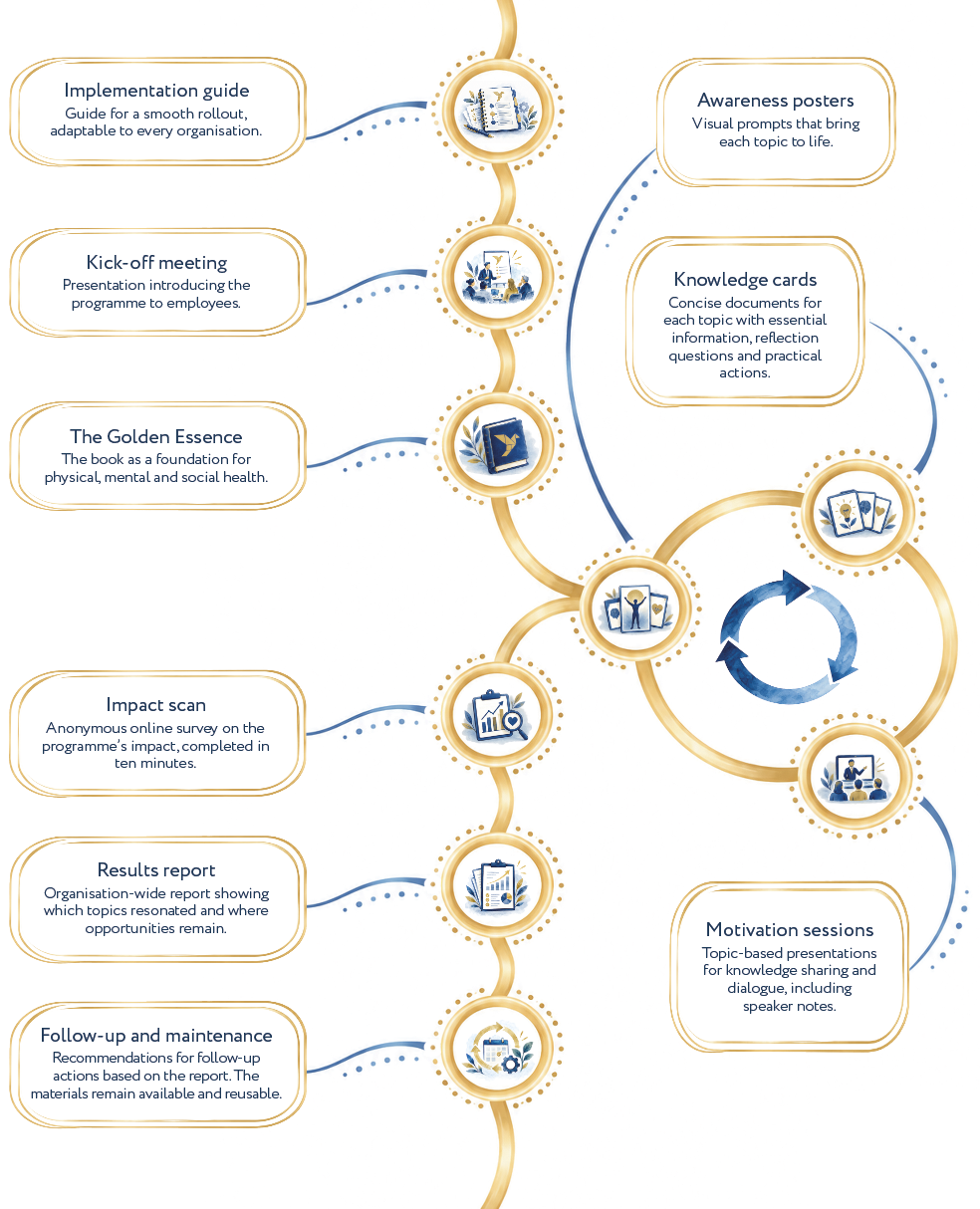
All the planning and preparation are bundled in a clear roadmap. In addition, the book, the knowledge cards, posters, and workshops are ready for you. You can roll out the program step by step, and you’ll be completely taken care of yourself.

One clear, limited price for a complete package per employee makes the program easy to budget for, for any organization.

The figures

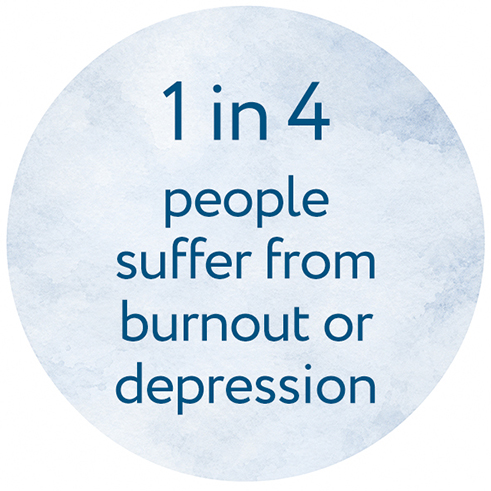
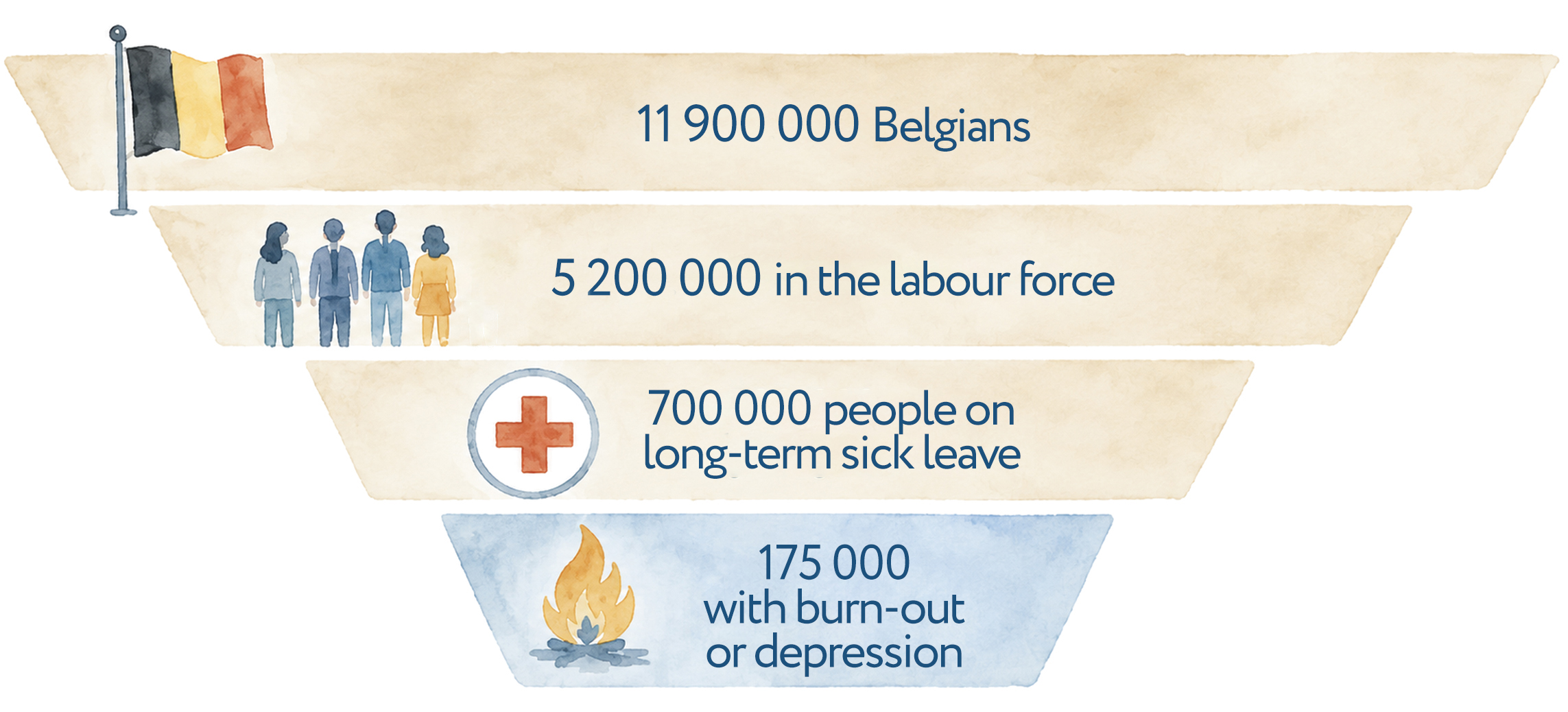
Lower engagement, higher levels of employee attrition and absenteeism negatively affect employee wellbeing.
They also impact productivity and an organisation’s attractiveness as an employer.
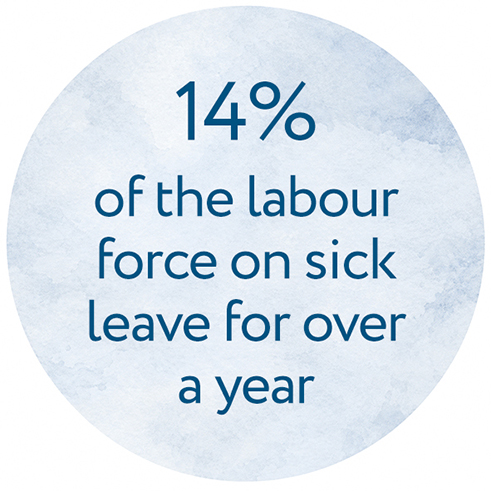
Average direct cost of sickness absence € 1600 per FTE/year
Average indirect cost of sickness absence € 3400 per FTE/year

indirect costs: temporary staff, reduced customer satisfaction,
  lost productivity among colleagues, management costs and accrued leave. 

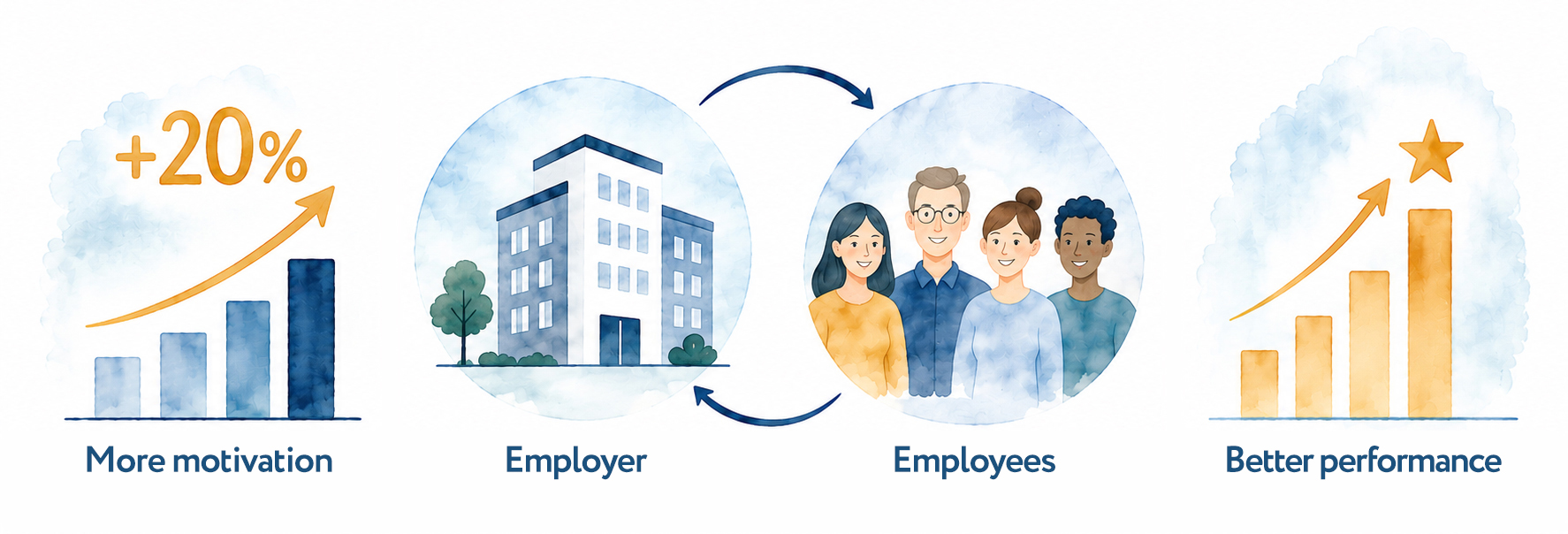
Greater motivation, wellbeing and engagement lead to better performance. The question is how an organisation can invest in these areas in a practical, achievable, structured and measurable way.
Our offer

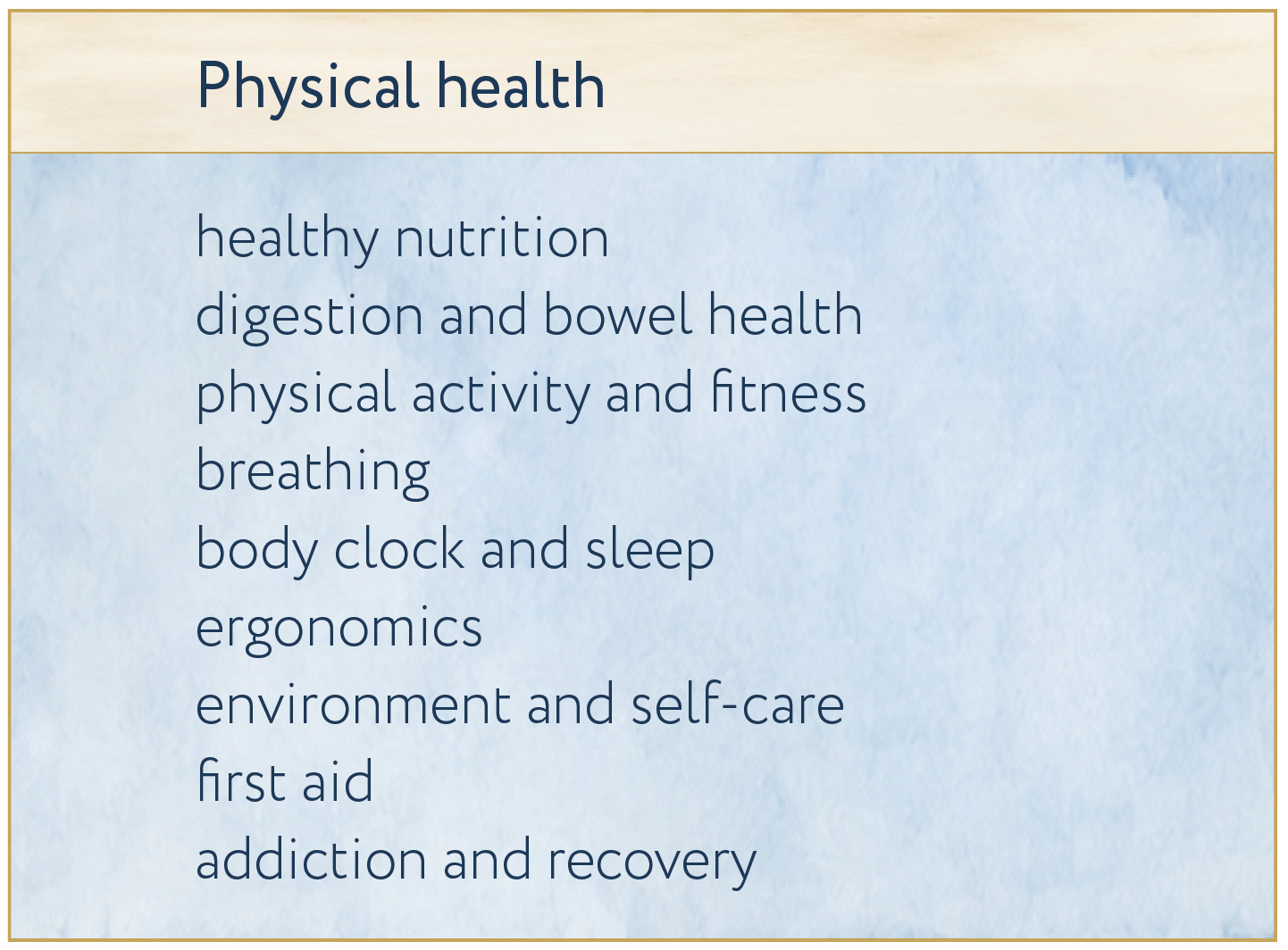
We take a deliberately broad view of wellbeing: a healthy mind in a healthy body. The programme covers physical health, mental resilience and social connection, and translates these into a concrete action plan. Happy Wellbeing brings together 18 practical themes.
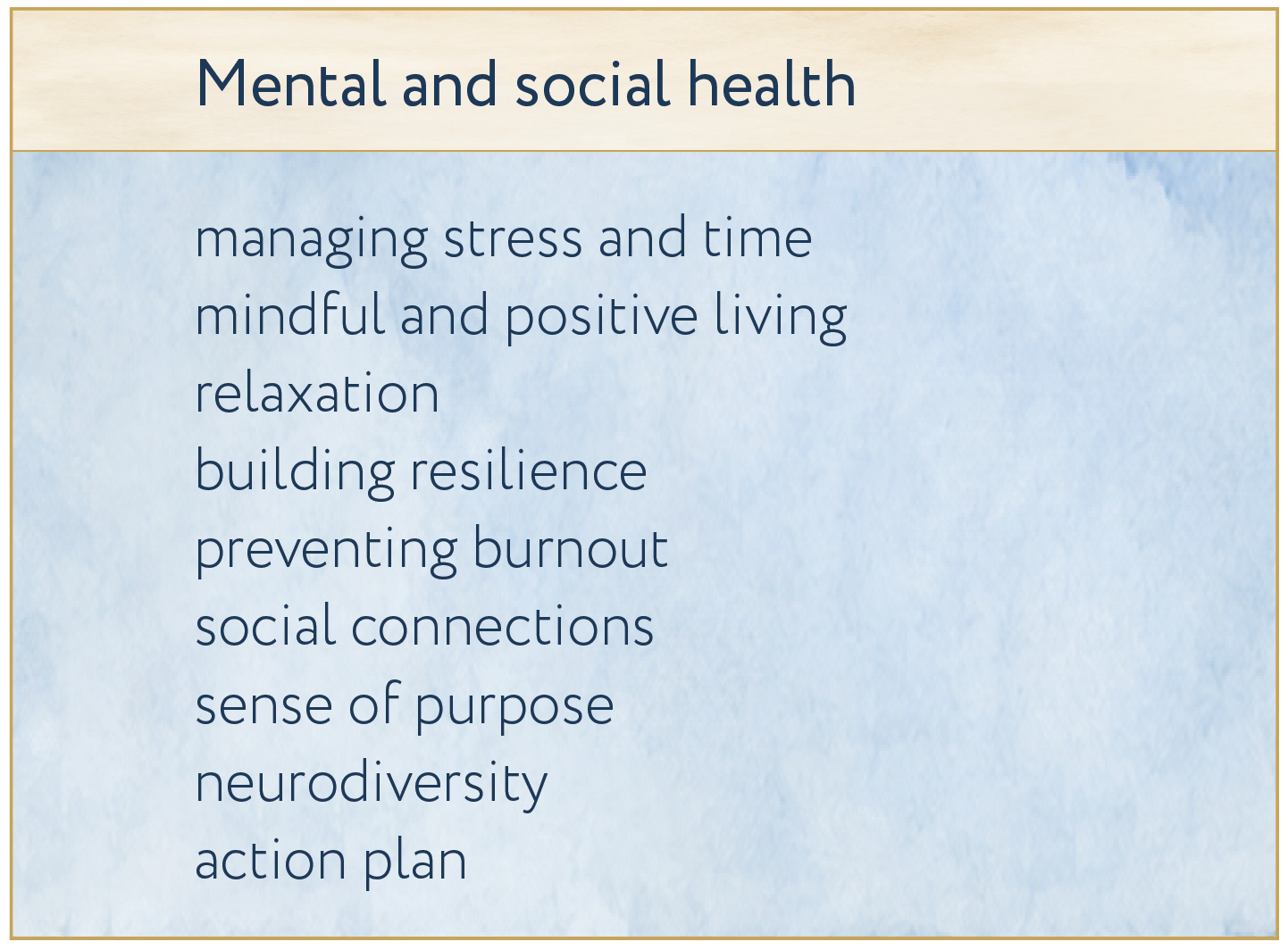
Sustainable investment in workplace wellbeing pays off. With a one-off limited cost per employee you create a lasting foundation. The materials remain available and can be reused whenever teams, timing or needs change.


What participants and organisations experience

“… sincere congratulations on this particularly valuable initiative. I am convinced that The Golden Essence will inspire many people to take better care of themselves. And ultimately, that may be the most beautiful form of prevention that exists.”

Dr. Luc Colemont, gastroenterologist

Take the first steps towards greater wellbeing at work. Tell us briefly about your organisation
and discover how Happy Wellbeing can be implemented in a simple and practical way.

Training plan

Through the individual training rights for employees (of organizations with at least 10 VTE employees), every employee has access to training. Organizations with fewer than 10 VTE employees are exempt from this obligation: they can, however, voluntarily decide to grant training days to their employees.
The motivation, knowledge and training sessions of HAPPY WELLBEING are fully eligible as formal training courses for this purpose. The number of training days depends on the number of employees in the organization:

  • in organizations with at least 10 and less than 20 employees VTE Is the right to individual training reduced to (average) 1 day per year.
  • in organizations with at least 20 employees VTE Every full-time employee has an individual right to training (on average) 5 days per year.

Training planEmployers from 20 employees Such a plan must be drawn up annually by March 31st. This training plan is a document (on paper or electronically) that lists all the training courses and also the target group of employees for which they are intended respectively. The plan includes:

  • an overview of the formal and informal training in the organization and an explanation of how it contributes to the investment in training;
  • Special attention to risk groups, the gender dimension and vulnerable professions;
  • the way the evaluation will be carried out with the employees.


These measures should ensure that every employee has the opportunity to receive training. The plan should lead to the strengthening of the competencies of all employees through a well-thought-out policy regarding training. The motivation, knowledge, and training sessions of HAPPY WELLBEING are fully eligible as formal training for this purpose.

When can the employee take training? This can be within the normal working hours or outside of them. In the latter case, these hours entitle you to payment of the normal wage, without this being a reason for the payment of any overtime pay.

What happens with unused training days? The balance of unused training days at the end of the year is transferred to the following year, and is added to the employee's training credit in that year. At the end of each 5-year period, an employee must be a full-time worker average minimum 5 training days per year The balance of the training credit is reset to zero at the end of this 5-year period. In the case of dismissal for a compelling reason or when the employee takes the dismissal themselves, The employee does not have the right to take up the remaining training credit (unless agreed upon). In the event of dismissal by the employer The employee has the right to continue to claim the remaining training credits. The law does add, however, that this is done by mutual agreement, because during the notice period the employment contract continues and the normal arrangements remain in effect.